

Introduction
In today’s fast-paced world, the concept of work life balance has become increasingly relevant as individuals juggle the demands of their jobs with personal responsibilities. The blurred lines between work and personal life can lead to significant stress and burnout, impacting mental health and overall well-being. This article explores the importance of achieving a healthy work life balance, the consequences of neglecting it, and practical strategies for establishing a more fulfilling equilibrium between work and personal life.
Understanding work life balance is crucial for personal and professional success.
Understanding the Blurred Lines
We live in an age where technology allows us to be connected to our work 24/7; email notifications, instant messaging, and remote access have made it easier to blur the lines between our professional and personal lives. Many individuals find themselves responding to work emails late at night or taking work calls during family gatherings. This constant connectivity, while beneficial in some respects, can lead to feelings of being overwhelmed and unable to disconnect from work responsibilities.
Finding work life balance can help mitigate stress and enhance well-being.
The significance of work-life balance cannot be overstated. Achieving this balance is essential for maintaining overall health, enhancing productivity, and fostering personal relationships. When individuals prioritize work over personal life, they risk diminishing their quality of life, which can lead to long-term consequences such as chronic stress, elevated anxiety levels, and a lack of fulfillment.
Without a proper work life balance, individuals may struggle with mental health issues.
The significance of work life balance cannot be overstated. Achieving this balance is essential for maintaining overall health, enhancing productivity, and fostering personal relationships. When individuals prioritize work over personal life, they risk diminishing their quality of life, which can lead to long-term consequences such as chronic stress, elevated anxiety levels, and a lack of fulfillment.
Achieving work life balance is essential for personal fulfillment.
Impact of Constant Work Mode
Stress and Mental Health
Constantly being in work mode can have severe implications for mental health. Prolonged periods of stress without adequate recovery time can lead to anxiety disorders, depression, and other mental health issues. Individuals may experience feelings of inadequacy, irritability, and a lack of motivation, making it difficult to engage in both their professional and personal lives effectively.
Ultimately, work life balance impacts daily productivity and mental clarity.
Research indicates that chronic stress not only affects mental health but also has physical manifestations, such as headaches, gastrointestinal issues, and a weakened immune system. It is crucial to recognize that mental well-being is intrinsically linked to physical health, and maintaining a balanced lifestyle is vital for overall wellness.
Recognizing the need for work life balance is the first step towards change.
Burnout Symptoms
Burnout is a specific type of chronic stress that results from prolonged exposure to work-related pressure without adequate breaks. Symptoms of burnout can include emotional exhaustion, detachment, reduced performance, and a general sense of cynicism towards work. This condition can significantly impair an individual’s ability to function effectively both at work and in their personal life.
Finding work life balance can prevent burnout and enhance daily living.
It’s essential for individuals to be aware of the signs of burnout. Recognizing that one is experiencing these symptoms is the first step toward reestablishing balance. Ignoring these symptoms can lead to severe consequences, including job loss, deteriorating relationships, and long-term mental health challenges.
Strained Personal Relationships
The impact of neglecting work-life balance extends beyond the individual; it can also strain personal relationships. When individuals prioritize work over family, friends, or personal interests, they may unintentionally alienate loved ones. Missing important events or consistently being preoccupied with work can lead to feelings of resentment and disappointment among family and friends.
Work life balance is vital for maintaining strong personal relationships.
Healthy relationships require attention and effort, which can be compromised when work takes precedence. Establishing boundaries that protect personal time is essential to nurturing these relationships and ensuring that individuals have a support system to lean on during challenging times.
Recognizing the Signs
Self-Assessment Techniques
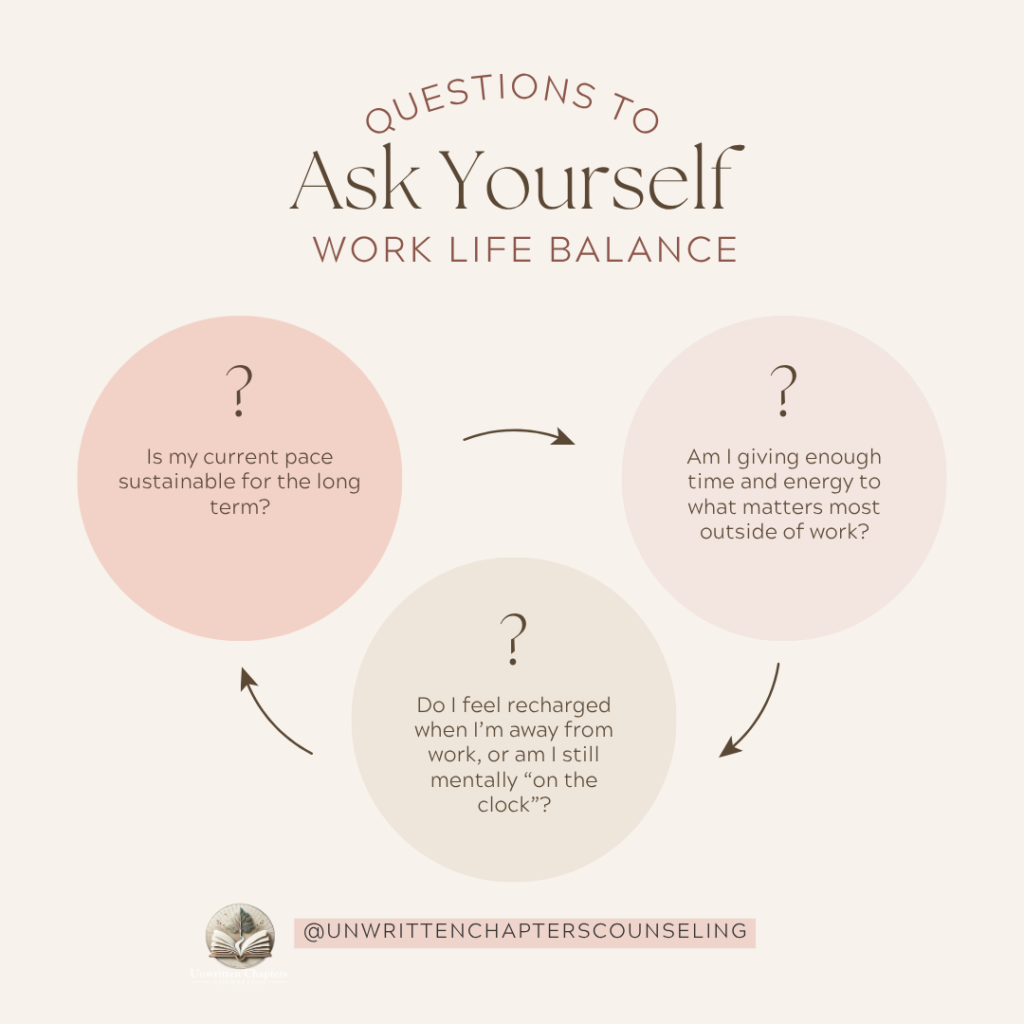
To proactively address work-life imbalance, individuals should regularly engage in self-assessment. This can involve reflecting on current stress levels, work-related habits, and the quality of personal relationships. Consider keeping a journal to track how much time is spent on work compared to personal activities. This record can help highlight patterns and areas needing improvement.
Additionally, mindfulness practices such as meditation can facilitate greater self-awareness. By promoting a clearer understanding of emotional responses to work and personal obligations, mindfulness can lead to better decision-making regarding time management and priority setting.
Integrating work life balance practices into daily routines is beneficial.
Identifying Triggers
Recognizing the specific triggers that lead to imbalance is crucial. Triggers may include looming deadlines, unexpected work demands, or personal obligations that conflict with professional responsibilities. Individuals can create a list of these triggers and reflect on how they impact their daily lives. Understanding these triggers can empower individuals to develop strategies to mitigate their effects.
For instance, if late-night emails are a trigger, establishing a “no work after hours” rule can help maintain boundaries. By identifying and addressing these triggers, individuals can take the first steps towards reclaiming control over their lives.
Developing work life balance strategies is essential for stress management.
Strategies for Regaining Balance
Setting Boundaries with Work
One of the most effective strategies for regaining balance is setting clear boundaries with work. This may involve communicating with supervisors about workload expectations or establishing designated work hours. Creating a dedicated workspace at home can also help delineate work time from personal time, making it easier to “turn off” work when the day is done.
Establishing work life balance boundaries can enhance overall happiness.
Establishing these boundaries allows individuals to be more present in their personal lives. When boundaries are respected, it can lead to increased productivity during work hours, thereby reducing the need to work outside of designated times. Ultimately, having well-defined boundaries enhances overall job satisfaction and personal well-being.
Incorporating Downtime
To achieve a balanced lifestyle, scheduling downtime is crucial. This can involve planning regular breaks throughout the workday, dedicating weekends for personal activities, or setting aside time for hobbies and relaxation. It’s essential to prioritize these moments just as one would prioritize work commitments.
Engaging in activities that bring joy and relaxation can significantly reduce stress levels. Whether it’s spending time with family, pursuing a hobby, or practicing self-care, these moments of downtime are essential for recharging and maintaining mental health. Incorporating regular breaks also encourages productivity and creativity, making it easier to tackle work-related challenges when they arise.
Incorporating work life balance into schedules promotes relaxation and joy.
Effective Time Management
Adopting effective time management strategies can help individuals regain control over their schedules. Techniques such as prioritizing tasks, using planners, and setting deadlines can facilitate a more organized approach to both work and personal responsibilities. The Pomodoro Technique, for example, involves working in focused bursts followed by short breaks, which can enhance productivity while incorporating necessary downtime.
Effective time management supports a healthier work life balance.
Moreover, setting daily and weekly goals can provide a clear sense of direction and accomplishment. When individuals have a structured plan, they are more likely to stay on track and less prone to distractions, allowing for a healthier balance between work and personal life.
Creating a Supportive Environment
Work life balance contributes to a supportive work environment.
Encouraging Workplace Flexibility
Organizations play a vital role in supporting employees’ work-life balance. Promoting workplace flexibility can involve offering options such as remote work, flexible hours, or compressed workweeks. These approaches enable employees to better manage their time and responsibilities, leading to greater job satisfaction and reduced stress levels.
Additionally, fostering a culture that prioritizes work-life balance can have positive effects on overall morale and productivity. When employees feel supported in their personal lives, they are more likely to be engaged and committed to their work, resulting in a win-win situation for both parties.
Employers play a role in fostering work life balance for their teams.
Communicating Needs with Colleagues and Supervisors
Open communication is essential for establishing a supportive environment. Employees should feel empowered to express their needs regarding work-life balance to supervisors and colleagues. This may involve discussing workload adjustments, asking for support when needed, or negotiating deadlines. Effective communication can lead to a more understanding and collaborative workplace culture.
By articulating their needs, employees can advocate for themselves and help others understand the importance of maintaining a healthy balance. This openness can foster camaraderie and support among colleagues, making it easier for everyone to navigate work-life challenges together.
Work life balance discussions encourage open workplace communication.
Conclusion
Embracing a Balanced Lifestyle
Achieving work-life balance is not a one-time effort but an ongoing process that requires attention and commitment. By recognizing the signs of imbalance, setting boundaries, incorporating downtime, and fostering a supportive environment, individuals can cultivate a lifestyle that enhances their well-being and personal satisfaction. The journey towards balance involves continuous self-reflection and adjustment to individual circumstances, but the benefits are immeasurable.
Prioritizing work life balance leads to overall fulfillment in life.
Final Thoughts on Healthy Work Practices
Ultimately, the pursuit of work-life balance is essential not only for personal health but also for fostering positive relationships and enhancing professional productivity. As society continues to evolve, prioritizing this balance will be crucial for navigating the complexities of modern life. Embracing a holistic approach that seeks to harmonize work and personal commitments will lead to a more fulfilling and enriched life experience.
Striving for work life balance is essential in today’s demanding world.
FAQs
What is work-life balance?
Work-life balance refers to the equilibrium between an individual’s professional obligations and personal life. It involves managing time effectively to ensure that both work and personal responsibilities are met without one overshadowing the other.
Understanding the concept of work life balance is key to personal success.
Why is work-life balance important?
Work-life balance is important because it enhances overall well-being, reduces stress, prevents burnout, and improves personal relationships. A balanced lifestyle also leads to increased productivity and job satisfaction.
Emphasizing work life balance can improve job satisfaction and performance.
What are the signs of burnout?
Signs of burnout include emotional exhaustion, feelings of negativity or cynicism towards work, a lack of motivation, and difficulties in personal relationships. Physical symptoms may include chronic fatigue, headaches, and gastrointestinal problems.
Recognizing the importance of work life balance can lead to positive changes.
How can I improve my work-life balance?
Improving work-life balance can be achieved by setting boundaries with work, incorporating regular downtime, practicing effective time management, and fostering open communication with colleagues and supervisors.
Employing work life balance techniques can reduce workplace stress.
What role do employers play in work-life balance?
Employers play a crucial role by creating policies that promote flexibility, offering support for work-life balance initiatives, and fostering a workplace culture that values employees’ personal time and responsibilities.
Effective policies promoting work life balance enhance employee well-being.